PONS FOOTBALL ยท WEEKLY NEWSLETTER โ†’PROPOSE COLLABORATION โ†’

PONS Football Ecosystem

PONS Ecosystem: Total performance architecture

The PONS performance architecture: from theory to competitive reality.
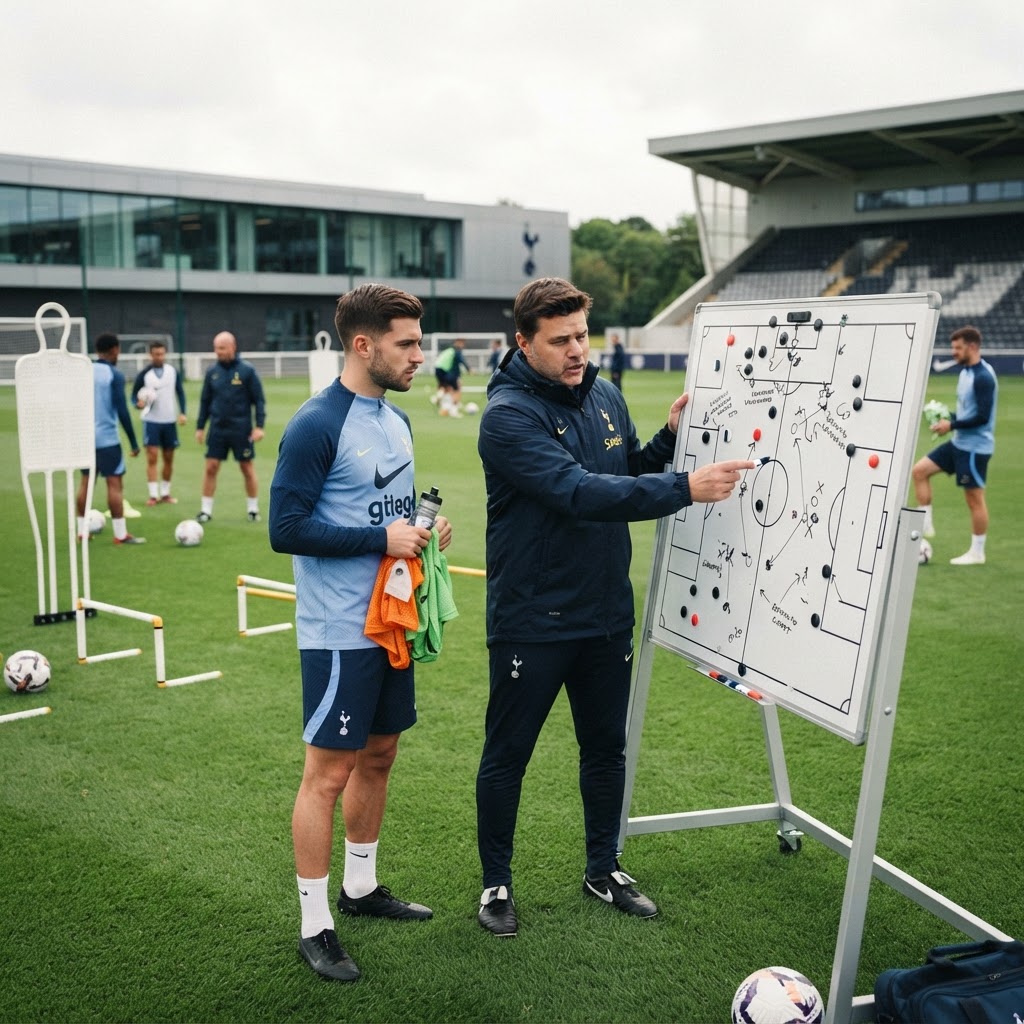
PONS Ecosystem: Total performance architecture
Within the PONS Football ecosystem, this idea connects training, methodology, operational tools, and club implementation within a single football intelligence path. In elite football, the obsession with a rigid game plan is the main cause of competitive fragility. Teams do not lose due to a lack of preparation, but rather due to a structural inability to manage uncertainty. True methodological excellence does not lie in dictating a pre-established choreography, but in designing a decision-making architecture that allows behavior to be adapted to the fluctuations of the context in real-time. A robust system evolves within its own parameters without fracturing under pressure. By shifting the focus from task repetition to the construction of a 'shared grammar', sports intelligence becomes an installed capacity. When the staff and players understand the principles of spatial occupation and temporal relationships, autonomy increases exponentially. Training must seek to reduce resolution time in the face of complex problems. If the player masters the 'why' and the 'when', the 'how' becomes a natural variable. Performance architecture is, in essence, a constant transfer system that ensures that every training session reinforces institutional resilience. The goal is not another isolated product: it is a continuous loop from learning to application, verification, and institutional scale.

Explore David Pons professional profile and strategic collaboration

David Pons professional profile

#PONSMethod #FootballEcosystem #PerformanceArchitecture #EliteCoaching #Innovation #DavidPons #FootballCoach #UEFAPro #FootballLeadership #SportingDirector
Enter the PONS ecosystem. In elite football, the obsession with a rigid game plan is often the main cause of competitive fragility. The fundamental premise is clear: teams do not lose due to a lack of technical preparation, but due to a structural inability to manage uncertainty. True methodological excellence does not lie in dictating a pre-established choreography, but in designing a decision-making architecture that allows the player and coaching staff to adapt their behavior to the fluctuations of the context in real-time. A robust system is one that, faced with pressure or the unforeseen, does not fracture, but evolves within its own parameters of play. The central thesis is that sports intelligence must cease to be a reactive response and become an installed capacity. To achieve this, we must shift the focus from task repetition towards the construction of a 'shared grammar'. When the staff and players understand the underlying principles of spatial occupation and temporal relationships, autonomy on the field increases exponentially. The practical implication is direct: training should no longer seek the single solution, but the reduction of resolution time in the face of complex problems. If a player masters the 'why' and the 'when', the 'how' becomes a natural adaptive variable. Performance architecture must be, in essence, a constant transfer system from the tactical laboratory to the competitive reality, ensuring that every training session reinforces institutional resilience. The visualization of this concept requires an image of overlapping layers: a transparent architectural structure, like a high-precision neural network, that remains firm while the chaotic environment of the match flows through it without altering its fundamental integrity. This ability to maintain systemic coherence under pressure is what separates elite teams from those who simply compete. https://institutometodopons.com | https://football.ponsmethod.com | https://ponsmethod.com