Performance Architecture
From Individual Expertise to Collective Performance Architecture
Elite performance improves when specialist depth is connected through shared football decisions rather than accumulated in separate departments.
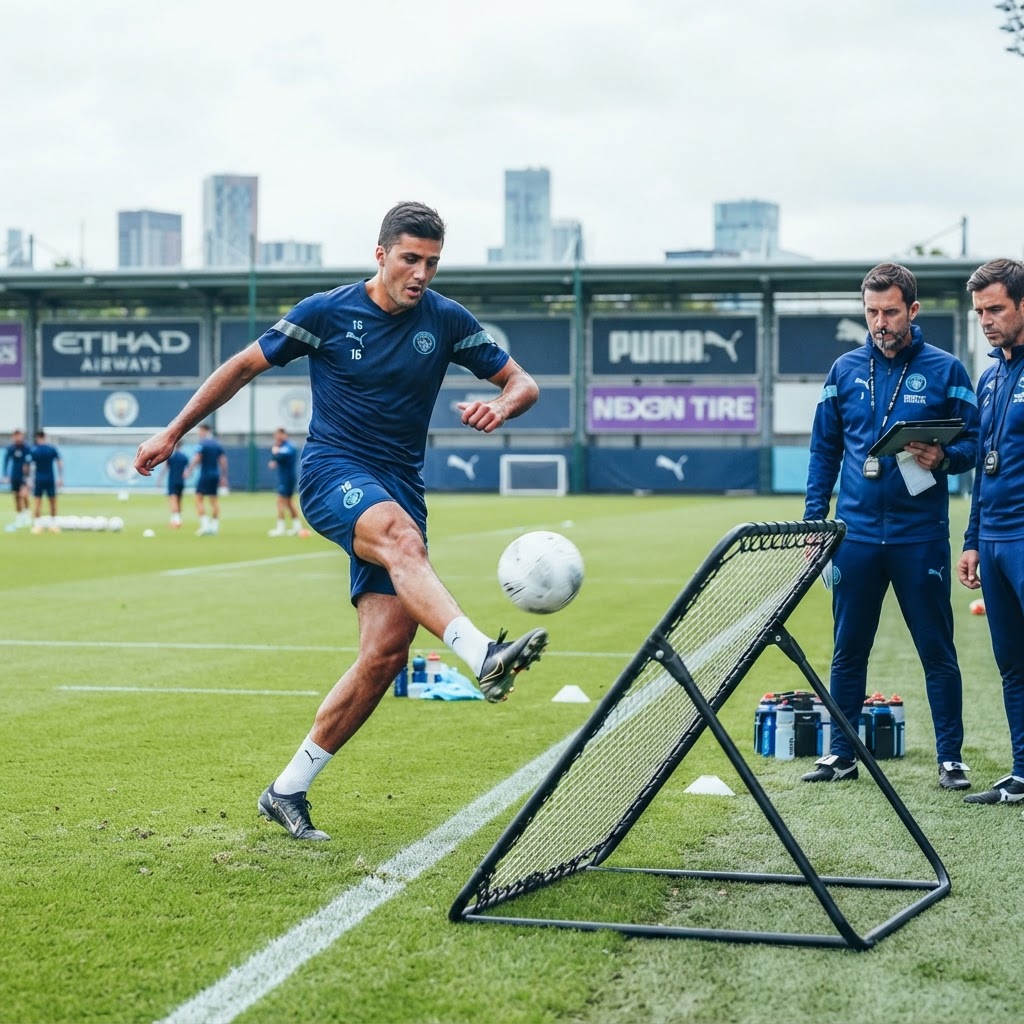
Modern football has become highly specialized. That specialization is valuable: analysts can go deeper into patterns, performance coaches can study load and adaptation, medical teams can protect availability, and technical staff can focus on the game model. The problem appears when specialist depth becomes organizational fragmentation.
A player does not experience the tactical, physical, technical, cognitive and emotional dimensions as separate departments. The player experiences one game. For that reason, the performance system must be capable of integrating specialist perspectives without reducing their specificity.
The PONS Method describes this through Integrated Specific Fragmentation. Each discipline works on its real expertise, but inside a shared architecture. The objective is not to make every professional think the same. It is to make their different knowledge converge on the same football problem, the same player and the same collective objective.
This changes the role of meetings, data and training design. Information is not valuable because it exists. It becomes valuable when it changes a decision. A report is useful when it clarifies the next intervention. A physical metric is useful when it changes how a player is prepared for a specific football demand. An analytical observation is useful when it modifies a behaviour, relationship or training constraint. The architecture creates the bridge between knowledge and action.
It also changes individualization. Individual work should not isolate the player from the collective reality. Collective Individualization means adapting the system to the player's profile while preserving the relationships and principles that give the action meaning inside the team. The player is individual; the game is not.
This is why PONS Football connects methodology, education, software, tactical intelligence and implementation. Each layer can solve a specific need, but the largest value appears when they share one operating logic. The result is not more information. It is a more coherent way to use information, train decisions and preserve learning over time.